Bricks Builder

A/B testing for sites built with Bricks

Optibase works directly with Bricks Builder's native attributes panel. Add test attributes to any element or section, connect your conversion goal, and start getting data — without writing a line of code.
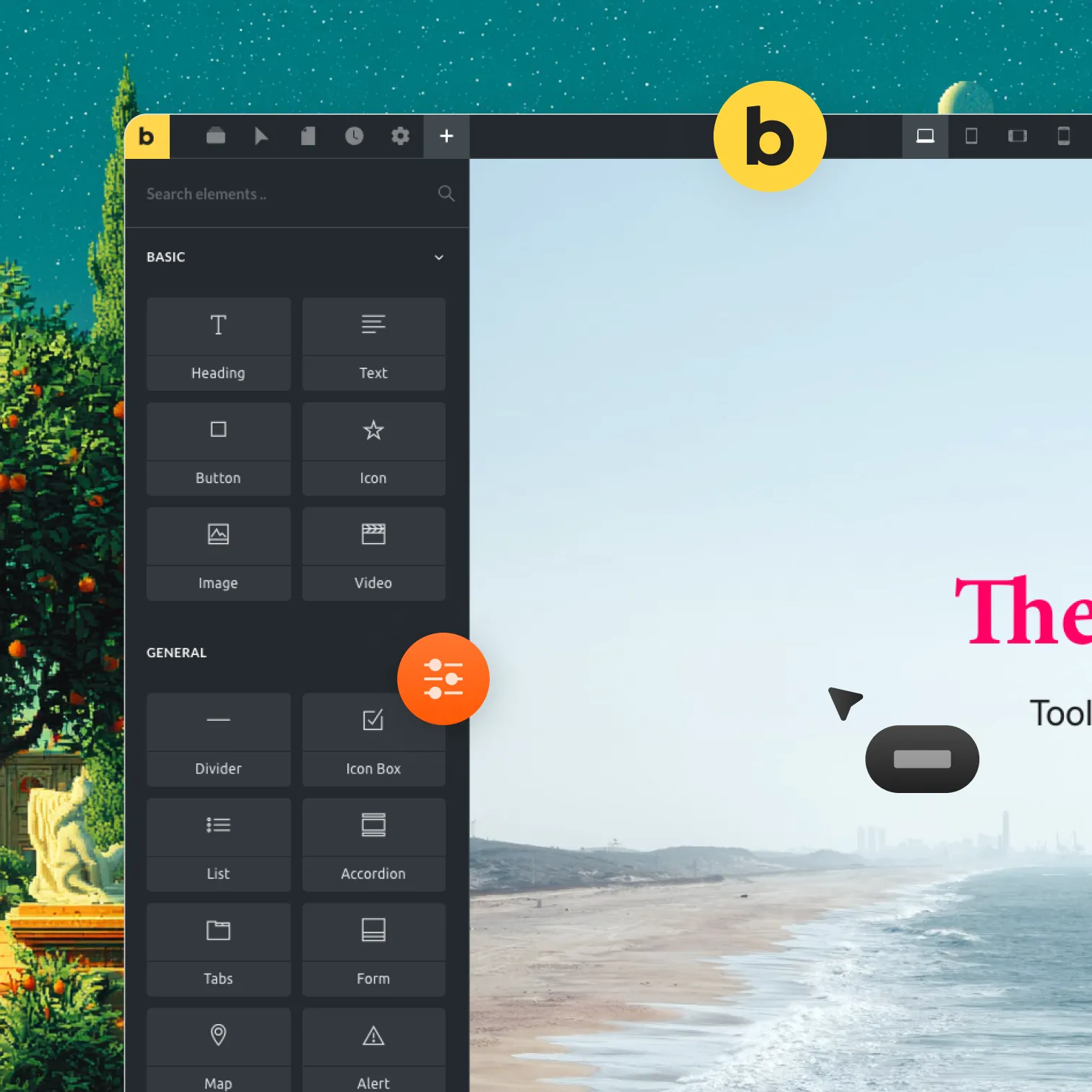
Native attributes panel: Add Optibase attributes directly in Bricks' Settings → Attributes. No custom code.
Test sections and elements: Duplicate a section, tag both variants, and Optibase handles the rest.
No Flickering: Visitors see one clean version on every load.
Header image
Join 3000+ companies already testing with Optibase
Native Bricks integration

Set up tests inside Bricks — no code, no workarounds

Bricks Builder's Settings → Attributes panel lets you add Optibase test attributes directly to any element or section. Duplicate the section you want to test, add the Optibase test ID, variant ID, and conversion ID to each version, and your test is set up. No PHP, no JavaScript, no external tools.

Visual attribute setup

Add data-optibase-test-id, data-optibase-variant-id, and data-optibase-click-conversion-id attributes directly in the Bricks panel. No code editor needed.

Test entire sections

Duplicate a full section in Bricks to create your B variant. Tag both sections with Optibase attributes and Optibase shows each visitor only one version.

No duplicate pages required

Keep your Bricks project clean. Both variants live on the same page, managed through attributes rather than separate page copies.
Performance

Fast pages. No flicker. No SEO risk.

Bricks sites are built for performance. Optibase keeps them that way. The script is small, non-blocking, and delivers each variant on the first render — no flash, no layout shift, no side effects on your page speed or search rankings.

Flicker free delivery

Visitors see one variant from the moment the page loads. The competing section is hidden immediately by the script — no visible flash.

Minimal script weight

Optibase adds a single lightweight script. Your Bricks site's load time and Core Web Vitals stay untouched.

SEO safe

Google sees one clean, consistent version of your page. No techniques that could affect rankings.
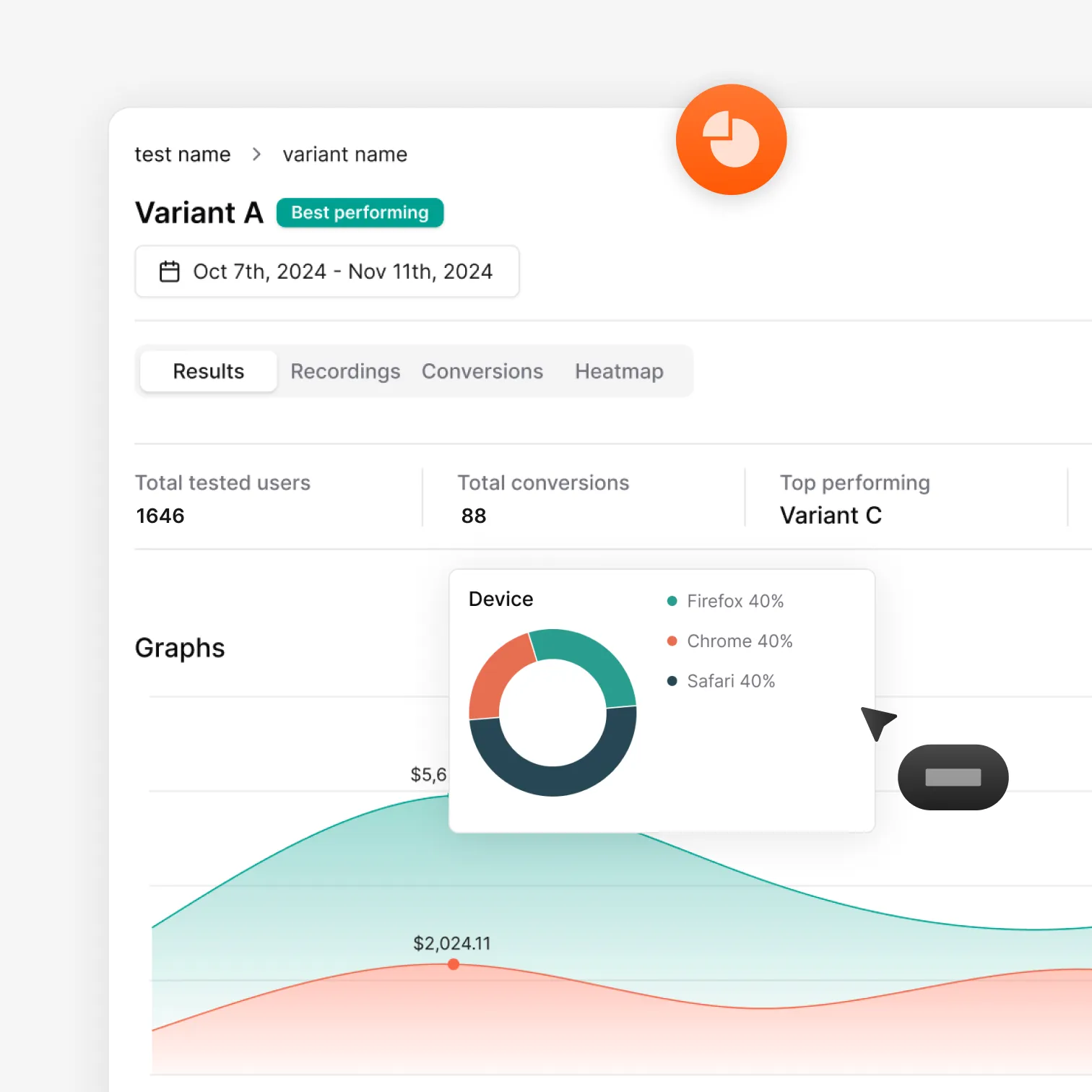
Optibase A/B test results dashboard with conversion data and charts
How it works

From install to live Bricks test in under 15 minutes

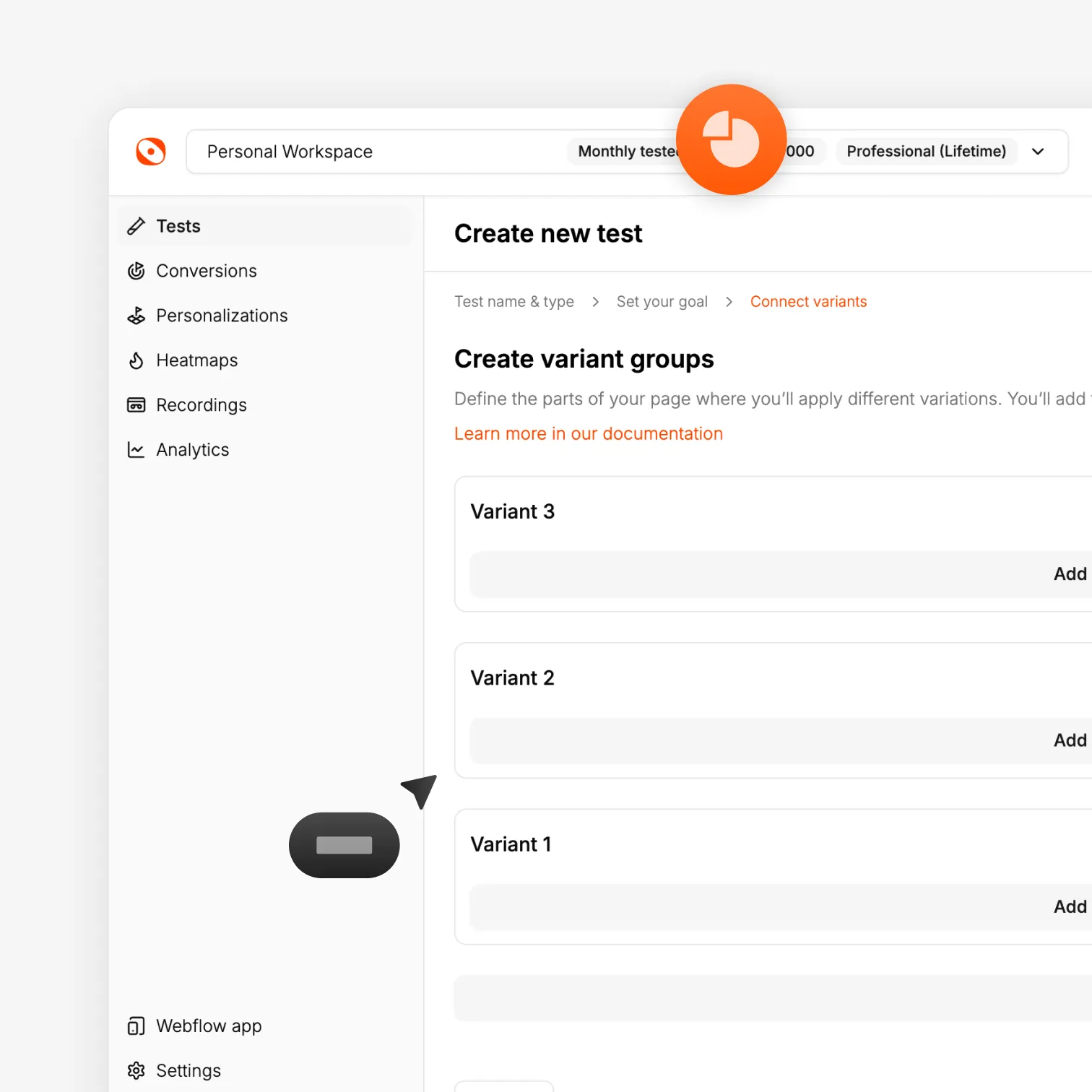
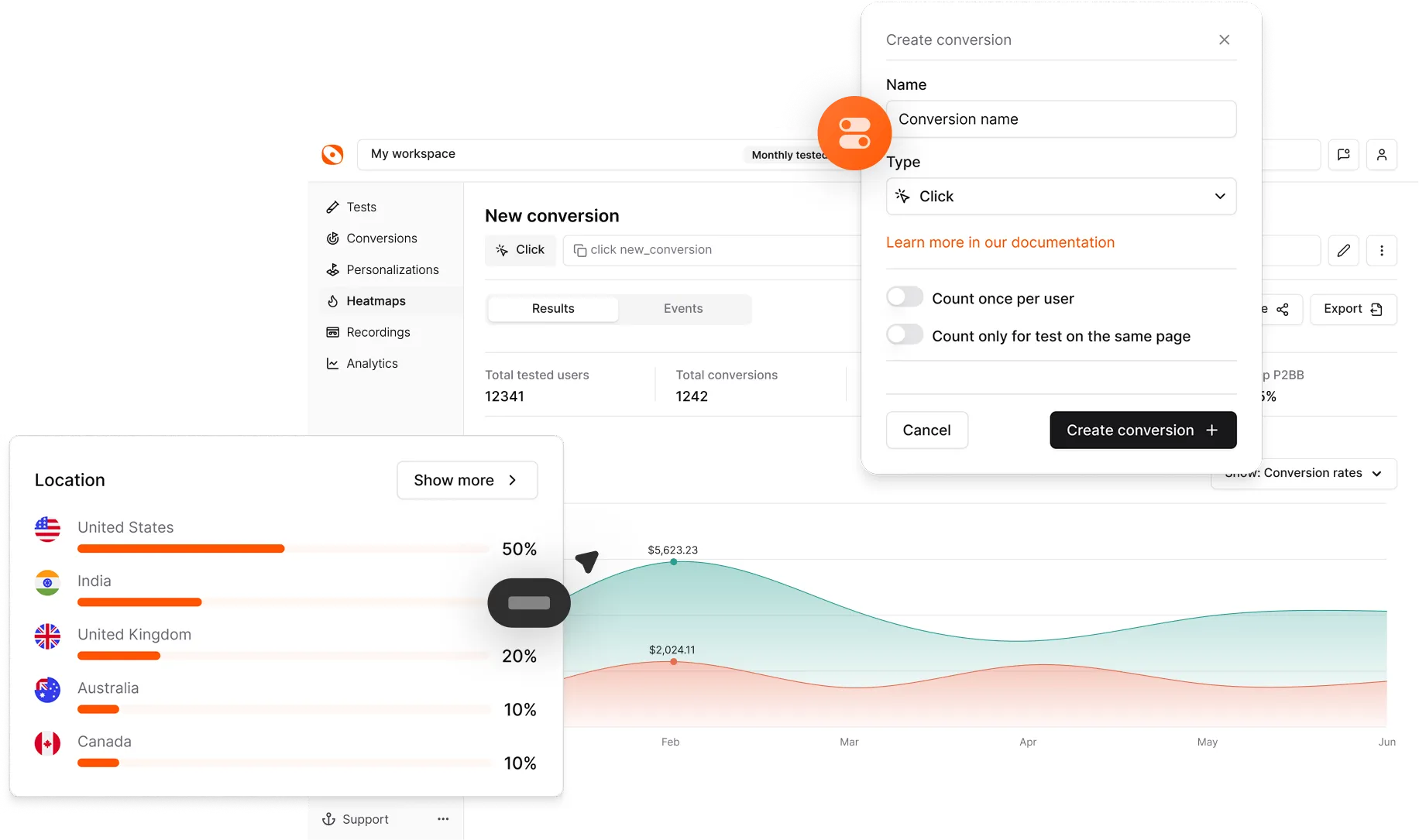
Install the plugin, add Optibase attributes to your elements, set a conversion goal, and launch your test in minutes.

Download and install the plugin

Download the Optibase plugin ZIP from the download page. In WordPress, go to Plugins → Add New Plugin → Upload Plugin, upload the file, and activate it.

Add your API key

In your Optibase workspace, go to Settings and copy your Public API Key. Paste it into the Optibase plugin settings in WordPress and save.

Add Optibase attributes in Bricks

In the Bricks editor, go to Settings → Attributes for the element or section you want to test. Add your Optibase test ID, variant ID, and conversion ID to each variant.

Launch and read results

Activate the test in the Optibase dashboard. Watch live results come in. Ship the winning version.
Tutorial

A/B testing with Bricks Builder

See how to install the plugin, add Optibase attributes in the Bricks editor, and launch a live test from start to finish.
FAQ

Frequently asked questions

Does Optibase support Bricks Builder?
Yes. Optibase connects to Bricks through the native Settings → Attributes panel. You add three data attributes to the elements or sections you want to test — no custom code needed.
Can I test full sections in Bricks?
Yes. Duplicate the section you want to test, add the Optibase test and variant attributes to each copy, and Optibase handles which version each visitor sees. No duplicate pages needed.
 Do I need to create duplicate pages to run a test?
No. Both variants live on the same page as separate sections. Optibase shows each visitor one version and hides the other — all controlled through attributes, not separate pages.
How do I install Optibase on a Bricks site?
Download the plugin ZIP from the Optibase download page. In WordPress, go to Plugins → Add New Plugin → Upload Plugin. Activate the plugin, then paste your Public API Key (from your Optibase workspace settings) into the plugin settings.
Will it slow down my Bricks site?
No. The Optibase script is lightweight and non-blocking. It does not affect your page load speed or Core Web Vitals.